January in the Spanish Classroom: Starting the Year with Connection, Not Worksheets
Ease students back into Spanish after winter break using film-based vocabulary lessons that reduce anxiety, rebuild confidence, and re-engage learners in January.

Ease students back into Spanish after winter break using film-based vocabulary lessons that reduce anxiety, rebuild confidence, and re-engage learners in January.

The last two weeks haven’t gone the way I planned. Between the sudden loss of a family member and recovering from surgery, writing took a back seat. But teaching didn’t—and neither did the quiet pressure we feel in December to keep students engaged when their minds are already halfway out

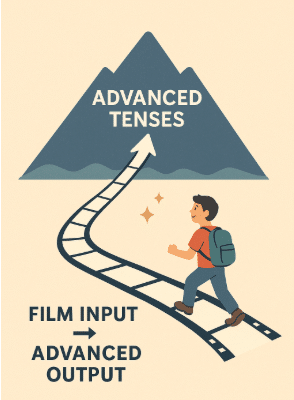
Why Early Exposure Through Movies Makes the Conditional, Future, and Subjunctive Feel Natural If you’ve ever taught a unit on the conditional, future, or (gulp) the subjunctive mood, you already know the pattern: Students groan.Teachers brace themselves.Textbooks dump charts.Everyone hopes muscle memory will magically kick in. But what if our

For years, one question has followed me through conferences, emails, Facebook groups, and quiet moments of reflection: “What movies actually work in the AP Spanish classroom?” The truth is:Not every film works.Not every film teaches.Not every film moves students toward what the AP exam demands. But some films?They transform the

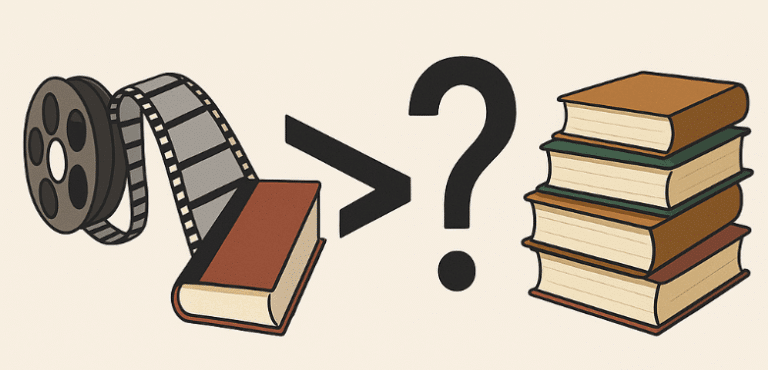
I’m a day late on this week’s blog entry (please be gentle!), but I’ve been reflecting nonstop on something that feels too important not to share: the massive, measurable difference between teaching vocabulary through traditional text and teaching vocabulary through film. As Spanish teachers, we all want our students to

We all hit a wall sometimes when it’s time to write — and this week that wall reminded me of something simple but fundamental: Movies in the Spanish classroom aren’t just “fun filler.” They are an intentional instructional choice. So let’s talk about how I actually decide what movies are

There’s a particular kind of magic that happens in a Spanish classroom when language stops being a list of vocabulary words and becomes something a student actually uses. That magic showed up in my classroom this week with Coco. Our Spanish II vocabulary list included the phrase: ¿Puedes prestarme tu

Every year, I tell my students that language learning is a lot like riding a bike: the more you ride, the steadier you become — and sometimes, you have to ride the same path again and again to realize how far you’ve come. In my classroom, that “path” often comes

🎬 Introduction If you’re reading this, you already know that movies belong in the Spanish classroom. They’re rich opportunities for language input, cultural connection, student motivation, and authentic conversation. In fact, I often hear from teachers: “Which movie should I show this year? And how do I choose one that

Una clase de lengua mundial que cobra vida a través del cine

Twenty years of teaching taught me one truth: students learn to speak Spanish when they feel it — and film makes that possible. For years, even my most dedicated honors students froze when it came to producing authentic, natural-sounding Spanish. They could memorize, conjugate, and ace tests — but when

How to Start Using Films in Your Spanish Classroom (Even If You Never Have Before) Short answer: success with film starts before you press play. When students spend 1–2 weeks playing with the key words and phrases, they hear them instantly during the movie—comprehension jumps, confidence soars, and the classroom